Plantar Fasciitis and Heel Pain Treatment

Plantar Fasciitis and Heel Pain Treatment

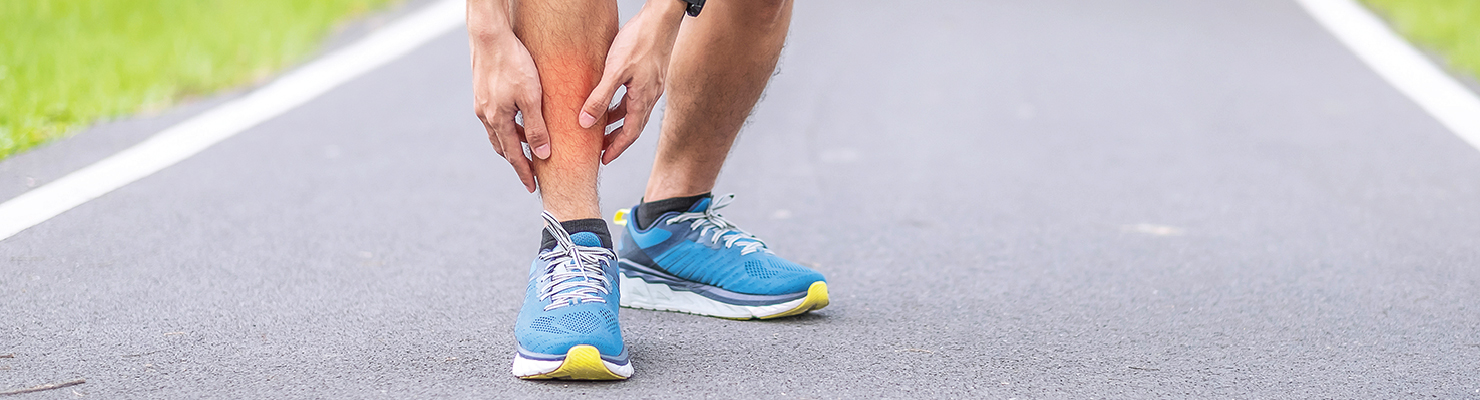
Heel pain that’s worst with your first few steps in the morning, or after sitting for a while, is a classic sign of plantar fasciitis. While there can be multiple causes of heel pain, plantar fasciitis is one of the most common conditions we see at Balgowlah Podiatry. It can be a frustrating condition, particularly when it affects your training, your work, or simply getting around comfortably – but the good news is that it responds well to the right treatment. Brendan Coyle has over 20 years of clinical experience diagnosing and treating plantar fasciitis and other causes of heel pain for patients across Balgowlah, Manly, and the Northern Beaches.

Does This Sound Like You?

Plantar fasciitis usually shows up as one or a combination of the following:

Morning pain

Sharp or stabbing pain under your heel with your first steps out of bed

Comes and goes

Eases as you move, then returns after standing or walking for a while

Tender heel

Sore to touch, especially right at the base of your heel

Arch stiffness

Tightness or pain through the arch, often worse after exercise or long periods on your feet
What Is Plantar Fasciitis?

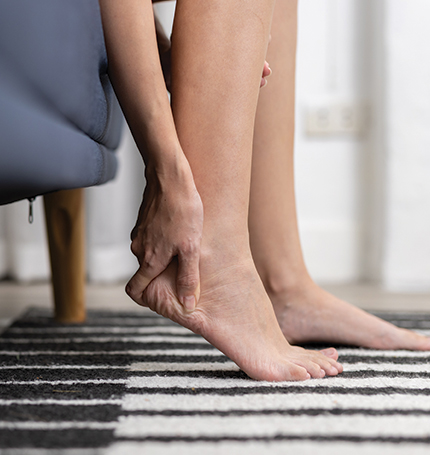
A thick band of tissue called the plantar fascia runs along the bottom of your foot, connecting your heel to your toes. The plantar fascia acts as a dynamic spring beneath your arch. With every step, it absorbs and stores mechanical energy as your foot flattens, then releases that energy to help propel you forward — while also absorbing the impact forces traveling up through your foot. This spring-like action is what allows your arch to support your body weight efficiently, step after step. When it is placed under more strain than it can handle, small tears and inflammation can develop, which cause the pain.

Plantar fasciitis is not a sudden injury. It develops gradually through repeated stress on the plantar fascia and affects a wide range of people, from runners and athletes to those who spend long hours standing at work. Left untreated, it can become a persistent and limiting problem that affects your daily movement and quality of life.

Why Does My Plantar Fascia Hurt?

There’s rarely just one cause. A recent increase or change in activity, such as starting a new type of exercise, switching training surfaces, or a sudden jump in training load, is a common trigger, as is spending long hours on your feet on hard floors. Unsupportive or worn-out footwear can add to the problem, as can foot posture issues such as flat feet or high arches, which alter how load is distributed through the fascia. Tight calf muscles limit ankle movement and place extra strain on the arch, while increased load through the feet — such as from weight gain or pregnancy can also be a contributing factor.

You do not need to recognise every one of these. It is usually a combination, which is exactly why we assess rather than guess. And not all heel pain is plantar fasciitis — if your assessment points to a different cause, we’ll explain what’s going on and recommend the right course of treatment.

How We Treat Plantar Fasciitis

Consultation

We start by talking through your symptoms, activity levels, footwear and history so we can understand your situation before we begin our assessment.

Assessment

A biomechanical assessment examines your gait, foot posture and lower-limb mechanics to identify factors that may be placing increased stress on your plantar fascia and contributing to your pain.

Diagnosis

You will leave with a clear, plain-language explanation of what is driving the strain on your plantar fascia and what your treatment plan involves.

Treatment Plan

We put together a plan tailored to your assessment findings, targeting the specific factors placing load on your fascia. No two cases are the same, and your treatment will reflect that.

Treatment Options

Depending on what we find, your plan may include one or more of the following:

Stretching and load management

Targeted exercises to reduce tension in the plantar fascia and calf muscles, and support tissue recovery

Strengthening exercises

Building strength through the foot and calf to improve load tolerance and reduce strain on the plantar fascia

Strapping and taping

Offloads the plantar fascia and provides immediate pain relief while the tissue heals

Footwear assessment

Identifying footwear that may be contributing to the problem and advising on options that will help. See our footwear assessment and prescription service for more

Custom foot orthotics

Prescribed to correct the biomechanical factors placing excess load on the plantar fascia. See custom foot orthotics for more on how we approach fitting and prescribing

Shockwave therapy

For persistent cases that haven’t responded to conservative treatment, this stimulates the body’s natural healing response in the affected tissue. We can talk through whether it’s right for you at your consultation

Frequently Asked Questions

Mild cases can ease with rest, activity modification, and time — particularly if it is caught early and the underlying cause is not ongoing. For many people, though, the strain that caused it in the first place, whether that is footwear, activity load, or foot biomechanics, does not resolve on its own, which is why symptoms can persist or return once activity resumes. An assessment helps identify what is actually driving your symptoms rather than treating the pain and having it come back. Generally, the earlier it is assessed, the more straightforward the recovery.

A heel spur is a small bony growth that can form where the plantar fascia attaches to the heel bone, usually as a result of long-term strain. The two conditions are closely related and often appear together, but they aren’t the same thing — many people have a heel spur visible on an X-ray with no pain at all. It is usually the plantar fascia itself that is causing symptoms, so treatment targets the soft tissue — addressing biomechanics, load, and footwear — rather than the bony growth.

In many cases, yes, though it usually needs to be managed rather than ignored. High-impact activities like running can aggravate the plantar fascia, so we often recommend reducing volume or intensity, or temporarily switching to lower-impact options such as swimming or cycling, while symptoms settle. Continuing to train through significant pain is not advisable as it can prolong recovery. We will work out a plan with you based on your goals and your assessment findings, including guidance on when and how to return to your normal training load.

Footwear with good cushioning through the heel and midsole, along with adequate arch support, generally places less strain on the plantar fascia than flat, unsupportive, or worn-out shoes. Extended time walking barefoot on hard floors, including at home, can also aggravate symptoms for some people. What works best varies depending on your foot type and how you load your feet day to day — a footwear assessment can help if you’re unsure whether your current shoes are helping or working against you.

Calf and plantar fascia stretching, done consistently rather than occasionally, is one of the more effective self-management strategies for plantar fasciitis and a common starting point.  Rolling the arch of your foot over a ball can also help. The right exercises — and how often to do them — depend on your specific presentation, so we’ll set out a plan tailored to you as part of your assessment, rather than a generic list.

Age and weight can both play a role, but neither is a strict predictor. Plantar fasciitis becomes more common with age, particularly between 40 and 60, as the fascia loses some of its elasticity over time. Carrying extra weight — whether from weight gain or pregnancy — adds load through the feet and increases strain on the fascia, which is why it’s often listed as a risk factor. Prolonged standing has a similar effect. However, these are just some of several possible contributing factors, not a single cause: plantar fasciitis also affects people across a wide range of ages and body types, including fit, active runners and athletes who train regularly.

Not everyone with plantar fasciitis needs orthotics. If your foot posture or biomechanics contribute to your symptoms during assessment, custom orthotics can be a helpful part of a broader treatment plan — they’re rarely used as a stand-alone treatment. Whether they’re recommended for you depends on your individual assessment findings.

Shockwave therapy is particularly effective for chronic or persistent plantar fasciitis that has not responded to conservative care over several months. It is a non-invasive treatment that delivers targeted acoustic waves to the affected tissue, triggering a controlled healing response and encouraging increased blood flow to the area. Most patients complete a short course of sessions, and many experience a significant reduction in pain. Brendan will advise whether it is appropriate for your situation during your assessment.

While plantar fasciitis is the most common cause of heel pain, it isn’t the only one. Achilles tendinopathy causes pain and stiffness at the back of the heel, often worsening with activity. Baxter’s nerve entrapment involves compression of a small nerve near the heel and can present in variable ways, sometimes causing burning or tingling pain and sometimes closely mimicking the sharp, mechanical pain of plantar fasciitis. Sever’s disease is a growth-related condition affecting children and adolescents, causing pain at the growth plate at the back of the heel. If you’re unsure what’s causing your pain, an assessment can help identify the underlying cause and the right treatment approach.

Ready to Deal With Your Heel Pain?

If heel pain is getting in the way of your training, your job, or simply your day, Balgowlah Podiatry can help you get to the bottom of it and back to moving comfortably. Book an appointment online and Brendan will get to the cause of it.

BOOK ONLINE

Our Services