
A dull, aching pain along the inside of your shin that builds during exercise is a common sign of shin splints. It’s a frustrating injury, particularly for runners and anyone training regularly, but it generally responds well to the right treatment and a properly staged return to activity. Brendan Coyle has over 20 years of clinical experience diagnosing and treating shin splints and other lower-leg injuries for patients across Balgowlah, Manly, and the Northern Beaches.
Shin splints usually show up as one or a combination of the following:
A dull or sharp ache along the inside of your shin bone during or after exercise
Pain that builds as you run, walk or stand and eases with rest
Soreness along the shin when you press on it
Symptoms that started after increasing distance, intensity or changing surfaces
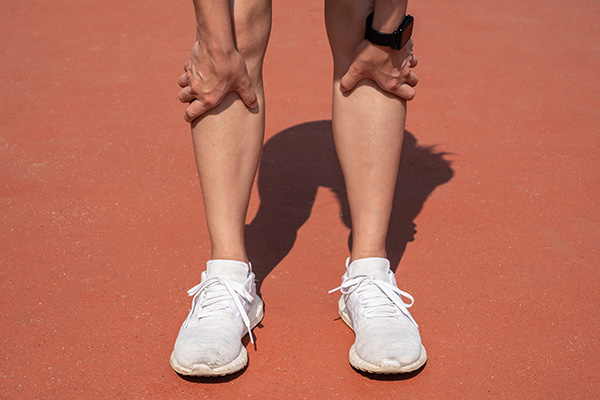
Shin splints, medically known as medial tibial stress syndrome, refers to pain along the inside edge of the shin bone caused by inflammation of the muscles, tendons and tissue surrounding the bone. It develops when the lower leg is placed under more repeated stress than it can tolerate, most often from running or other high-impact activity.
Shin splints is not a sudden injury — it develops gradually through repeated loading of the lower leg, and it’s particularly common among runners, dancers and military personnel, as well as people returning to exercise after a break. Left untreated, or if training continues without adjustment, it can progress toward a stress fracture, so early assessment and management matters.
A recent increase or change in training load — such as running further or faster than you’re used to, adding hill work, or switching from soft to hard surfaces — is one of the most common triggers. Worn-out or unsupportive footwear can add to the problem, as can foot posture issues such as flat feet, which alter how load travels up through the lower leg with each stride. Tight calf muscles and reduced ankle flexibility can also increase strain on the shin.
You do not need to recognise every one of these. It is usually a combination, which is exactly why we assess rather than guess. And not all shin pain is shin splints — a biomechanical assessment helps rule out other causes, such as a stress fracture, so you get the right treatment from the start.
Every plan starts with understanding why the lower leg is under strain, not just where it hurts.

We start by talking through your symptoms, activity levels, footwear and history so we can understand your situation before we begin our assessment.

A biomechanical assessment examines your gait, foot posture and lower-limb mechanics to identify factors that may be placing increased stress on your shins and contributing to your pain.

You will leave with a clear, plain-language explanation of what is driving your pain and what your treatment plan involves.

We put together a plan tailored to your assessment findings, targeting the specific factors placing load on your lower leg. No two cases are the same, and your treatment will reflect that.
Depending on what we find, your plan may include one or more of the following:
Adjusting training volume, intensity or surface while the tissue recovers
Targeted exercises for the calf and lower leg to reduce strain and improve load tolerance
Identifying footwear that may be contributing to the problem. See our footwear assessment and prescription service for more
Correcting the biomechanical factors placing load on the lower leg. See custom foot orthotics for more on how we approach fitting and prescribing
Offloads the affected area and provides support while it heals

 (02) 9948 2555


