
Foot pain that doesn’t ease with rest, or that’s worse with weight-bearing activity, can sometimes be a sign of a stress fracture. It’s a condition that needs a careful, staged approach to recovery, and most stress fractures heal well with the right management. Brendan Coyle has over 20 years of clinical experience assessing and managing foot stress fractures for patients across Balgowlah, Manly, and the Northern Beaches.
A foot stress fracture usually shows up as one or a combination of the following:
A dull or sharp ache that persists even when you’re off your feet
A specific spot on your foot that’s sore to touch or press
Mild swelling over the painful area, sometimes with bruising
Discomfort that worsens with standing, walking or running
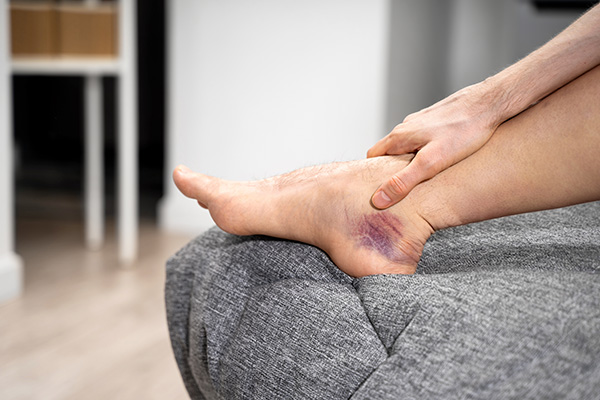
A stress fracture is a small crack or severe bruising within a bone, most often in the metatarsals — the long bones in the middle of your foot — caused by repeated stress rather than a single injury. It develops when bone is loaded faster than it can repair and adapt, most commonly from a sudden increase in high-impact activity such as running.
Stress fractures are not sudden injuries in the way a break from a fall is; they build gradually, and pain often starts mild and worsens over days or weeks if activity continues. They’re particularly common among runners and athletes, as well as people who have recently and rapidly increased their training. Continuing to load the bone can delay healing or worsen the fracture, so early assessment matters.
A rapid increase in training load — such as running further or more often than your body is used to — is one of the most common triggers, particularly when it happens over a short period without enough recovery. Worn-out or unsupportive footwear, training on hard surfaces, and foot posture issues that concentrate load through a smaller area of bone can all contribute. Reduced bone density, whether from nutrition, hormonal factors or other health conditions, can also increase risk.
You do not need to recognise every one of these. It is usually a combination, which is exactly why we assess rather than guess. And not all foot pain that persists is a stress fracture — an assessment helps confirm what’s going on and rule out other causes of ongoing pain.
Every plan starts with confirming the diagnosis, not just treating the symptoms.

We start by talking through your symptoms, activity levels, footwear and history so we can understand your situation before we begin our assessment.

A biomechanical assessment examines your gait, foot posture and lower-limb mechanics, and where a stress fracture is suspected, we’ll refer you for imaging such as an X-ray or MRI to confirm the diagnosis.

You will leave with a clear, plain-language explanation of what’s going on and what your treatment and recovery plan involves.

We put together a plan tailored to your specific fracture and activity goals, including a staged return to load-bearing activity. No two cases are the same, and your treatment will reflect that.
Depending on your fracture and your assessment findings, your plan may include one or more of the following:
Reducing or temporarily stopping weight-bearing activity to allow the bone to heal
Reducing load through the affected area where needed while healing progresses
A structured, gradual increase in load and training once healing is confirmed
Identifying footwear that may be contributing to the problem. See our footwear assessment and prescription service for more
Addressing the biomechanical factors that concentrated load on the bone. See custom foot orthotics for more on how we approach fitting and prescribing

 (02) 9948 2555


