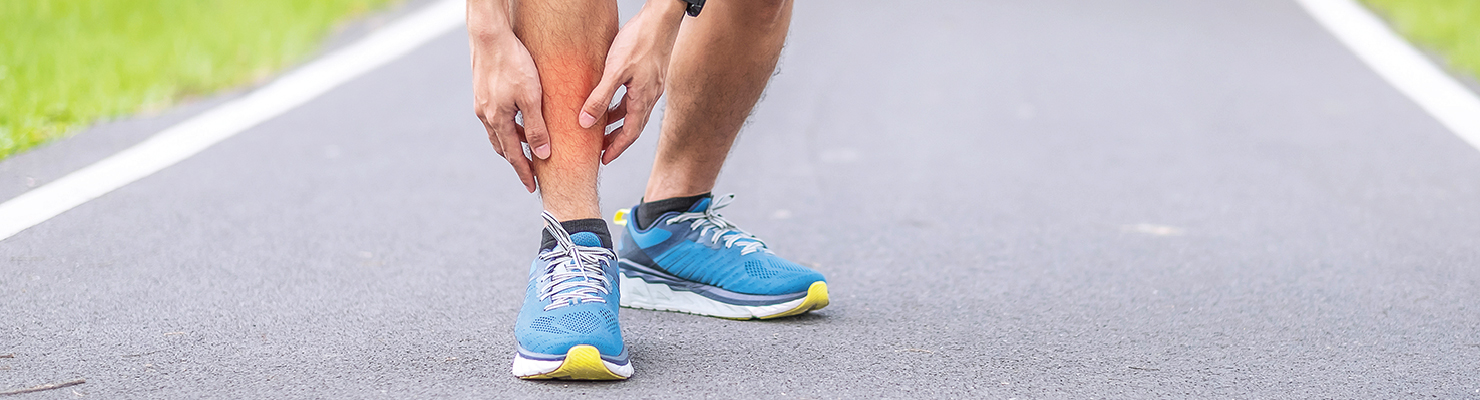
Heel pain that’s worst with your first few steps in the morning, or after sitting for a while, is a classic sign of plantar fasciitis. While there can be multiple causes of heel pain, plantar fasciitis is one of the most common conditions we see at Balgowlah Podiatry. It can be a frustrating condition, particularly when it affects your training, your work, or simply getting around comfortably – but the good news is that it responds well to the right treatment. Brendan Coyle has over 20 years of clinical experience diagnosing and treating plantar fasciitis and other causes of heel pain for patients across Balgowlah, Manly, and the Northern Beaches.
Plantar fasciitis usually shows up as one or a combination of the following:
Sharp or stabbing pain under your heel with your first steps out of bed
Eases as you move, then returns after standing or walking for a while
Sore to touch, especially right at the base of your heel
Tightness or pain through the arch, often worse after exercise or long periods on your feet
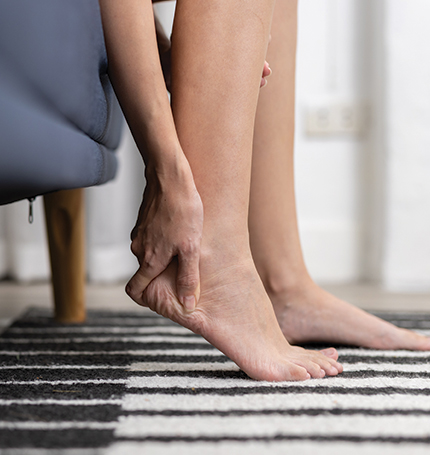
A thick band of tissue called the plantar fascia runs along the bottom of your foot, connecting your heel to your toes. The plantar fascia acts as a dynamic spring beneath your arch. With every step, it absorbs and stores mechanical energy as your foot flattens, then releases that energy to help propel you forward — while also absorbing the impact forces traveling up through your foot. This spring-like action is what allows your arch to support your body weight efficiently, step after step. When it is placed under more strain than it can handle, small tears and inflammation can develop, which cause the pain.
Plantar fasciitis is not a sudden injury. It develops gradually through repeated stress on the plantar fascia and affects a wide range of people, from runners and athletes to those who spend long hours standing at work. Left untreated, it can become a persistent and limiting problem that affects your daily movement and quality of life.
There’s rarely just one cause. A recent increase or change in activity, such as starting a new type of exercise, switching training surfaces, or a sudden jump in training load, is a common trigger, as is spending long hours on your feet on hard floors. Unsupportive or worn-out footwear can add to the problem, as can foot posture issues such as flat feet or high arches, which alter how load is distributed through the fascia. Tight calf muscles limit ankle movement and place extra strain on the arch, while increased load through the feet — such as from weight gain or pregnancy can also be a contributing factor.
You do not need to recognise every one of these. It is usually a combination, which is exactly why we assess rather than guess. And not all heel pain is plantar fasciitis — if your assessment points to a different cause, we’ll explain what’s going on and recommend the right course of treatment.
Every plan starts with understanding why the fascia is under strain, not just where it hurts.

We start by talking through your symptoms, activity levels, footwear and history so we can understand your situation before we begin our assessment.

A biomechanical assessment examines your gait, foot posture and lower-limb mechanics to identify factors that may be placing increased stress on your plantar fascia and contributing to your pain.

You will leave with a clear, plain-language explanation of what is driving the strain on your plantar fascia and what your treatment plan involves.

We put together a plan tailored to your assessment findings, targeting the specific factors placing load on your fascia. No two cases are the same, and your treatment will reflect that.
Depending on what we find, your plan may include one or more of the following:
Targeted exercises to reduce tension in the plantar fascia and calf muscles, and support tissue recovery
Building strength through the foot and calf to improve load tolerance and reduce strain on the plantar fascia
Offloads the plantar fascia and provides immediate pain relief while the tissue heals
Identifying footwear that may be contributing to the problem and advising on options that will help. See our footwear assessment and prescription service for more
Prescribed to correct the biomechanical factors placing excess load on the plantar fascia. See custom foot orthotics for more on how we approach fitting and prescribing
For persistent cases that haven’t responded to conservative treatment, this stimulates the body’s natural healing response in the affected tissue. We can talk through whether it’s right for you at your consultation

 (02) 9948 2555


