
Shin Splints Treatment

Shin Splints Treatment

A dull, aching pain along the inside of your shin that builds during exercise is a common sign of shin splints. It’s a frustrating injury, particularly for runners and anyone training regularly, but it generally responds well to the right treatment and a properly staged return to activity. Brendan Coyle has over 20 years of clinical experience diagnosing and treating shin splints and other lower-leg injuries for patients across Balgowlah, Manly, and the Northern Beaches.

Does This Sound Like You?

Shin splints usually show up as one or a combination of the following:

Aching shin pain

A dull or sharp ache along the inside of your shin bone during or after exercise

Worse with activity

Pain that builds as you run, walk or stand and eases with rest

Tender to touch

Soreness along the shin when you press on it

Recent change in training

Symptoms that started after increasing distance, intensity or changing surfaces
What Is Shin Splints?

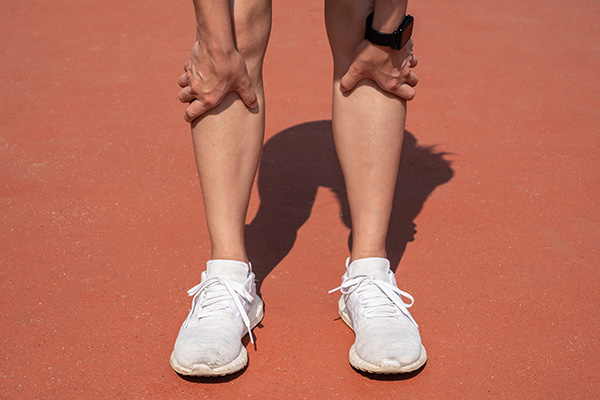
Shin splints, medically known as medial tibial stress syndrome, refers to pain along the inside edge of the shin bone caused by inflammation of the muscles, tendons and tissue surrounding the bone. It develops when the lower leg is placed under more repeated stress than it can tolerate, most often from running or other high-impact activity.

Shin splints is not a sudden injury — it develops gradually through repeated loading of the lower leg, and it’s particularly common among runners, dancers and military personnel, as well as people returning to exercise after a break. Left untreated, or if training continues without adjustment, it can progress toward a stress fracture, so early assessment and management matters.

Why Do My Shins Hurt?

A recent increase or change in training load — such as running further or faster than you’re used to, adding hill work, or switching from soft to hard surfaces — is one of the most common triggers. Worn-out or unsupportive footwear can add to the problem, as can foot posture issues such as flat feet, which alter how load travels up through the lower leg with each stride. Tight calf muscles and reduced ankle flexibility can also increase strain on the shin.

You do not need to recognise every one of these. It is usually a combination, which is exactly why we assess rather than guess. And not all shin pain is shin splints — a biomechanical assessment helps rule out other causes, such as a stress fracture, so you get the right treatment from the start.

How We Treat Shin Splints

Consultation

We start by talking through your symptoms, activity levels, footwear and history so we can understand your situation before we begin our assessment.

Assessment

A biomechanical assessment examines your gait, foot posture and lower-limb mechanics to identify factors that may be placing increased stress on your shins and contributing to your pain.

Diagnosis

You will leave with a clear, plain-language explanation of what is driving your pain and what your treatment plan involves.

Treatment Plan

We put together a plan tailored to your assessment findings, targeting the specific factors placing load on your lower leg. No two cases are the same, and your treatment will reflect that.

Treatment Options

Depending on what we find, your plan may include one or more of the following:

Load management

Adjusting training volume, intensity or surface while the tissue recovers

Stretching and strengthening exercises

Targeted exercises for the calf and lower leg to reduce strain and improve load tolerance

Footwear assessment

Identifying footwear that may be contributing to the problem. See our footwear assessment and prescription service for more

Custom foot orthotics

Correcting the biomechanical factors placing load on the lower leg. See custom foot orthotics for more on how we approach fitting and prescribing

Strapping and taping

Offloads the affected area and provides support while it heals

Frequently Asked Questions

Mild cases can ease with rest, activity modification and time, particularly if caught early and the underlying cause is addressed. For many people, though, the training load or biomechanical factors that caused the pain in the first place don’t resolve on their own, which is why symptoms can persist or return once activity resumes. An assessment helps identify what’s actually driving your symptoms rather than treating the pain and having it come back. Generally, the earlier it’s assessed, the more straightforward the recovery.

Shin splints cause pain that’s spread along a length of the shin bone, while a stress fracture typically causes pain concentrated at one specific spot. Shin splints often ease with rest and gradually worsen with continued loading, whereas stress fracture pain can persist even at rest and generally needs a period of reduced weight-bearing to heal. If your pain is localised to one point, or isn’t easing with rest, it’s worth having it assessed to rule out a stress fracture.

In many cases, yes, though it usually needs to be managed rather than ignored. High-impact activity can aggravate the lower leg, so we often recommend reducing volume or intensity, or temporarily switching to lower-impact options such as swimming or cycling, while symptoms settle. Continuing to train through significant pain is not advisable, as it can prolong recovery or increase the risk of a stress fracture developing. We’ll work out a plan with you based on your goals and your assessment findings.

Calf and lower-leg strengthening exercises, along with stretching, are commonly used as part of managing shin splints, though the right exercises and how to progress them depend on your specific presentation. Addressing training load and footwear alongside any exercise program is usually just as important as the exercises themselves. We’ll set out a plan tailored to you as part of your assessment, rather than a generic list.

Recovery time varies depending on how long you’ve had symptoms, how you’ve been managing your training, and what’s contributing to the problem. Mild cases can settle within a few weeks with load management, while more persistent cases can take longer, particularly if training continues without adjustment. We’ll give you a realistic idea of timeframes once we’ve assessed you, along with a staged plan for returning to full training.

Not everyone with shin splints needs orthotics. If your foot posture or biomechanics contribute to your symptoms during assessment, custom orthotics can be a helpful part of a broader treatment plan — they’re rarely used as a stand-alone treatment. Whether they’re recommended for you depends on your individual assessment findings, alongside footwear and training load.

Shin splints often recur when the underlying cause, whether that’s training load, footwear, or foot biomechanics, hasn’t been fully addressed the first time around. Returning to full training too quickly after symptoms ease is a common trigger for recurrence. An assessment can help identify what’s actually driving your symptoms so your plan addresses the cause, not just the current flare-up.

Ready to Deal With Your Shin Splints?

If shin splints are getting in the way of your training or simply your day, Balgowlah Podiatry can help you get to the bottom of it and back to moving comfortably. Book an appointment online and Brendan will get to the cause of it.

BOOK ONLINE

Our Services