Posted by Balgowlah_admin in on November 23rd, 2022
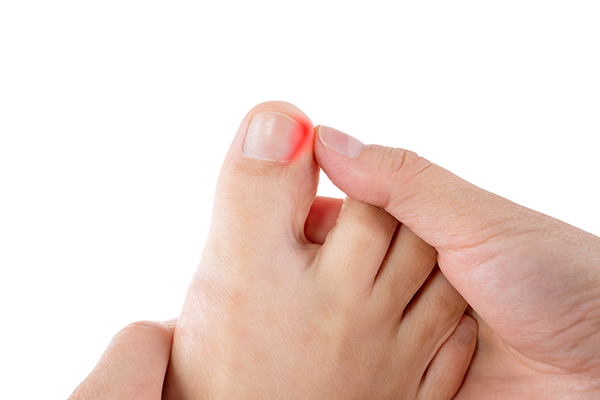
Have an ingrown toenail? Or perhaps your toe is painful and you’re unsure?
At Balgowlah Podiatry, we are experts in the diagnosis and treatment of ingrown toenails, with 20 years’ experience in providing both immediate relief and permanent solutions to this painful condition.
An ingrown toenail, or onychocryptosis, occurs when the corner or side of the nail grows into the adjacent flesh. This can cause redness, swelling, pain and discharge.
There are various reasons why ingrown toenails occur, but commonly they are caused by one or more of the following:
Treatment of your ingrown toenail will depend on its severity. Ingrown toenails rarely improve over time, so the sooner you seek treatment, the better.
We have the skill to quickly and carefully remove the piece of nail that has penetrated the skin with little to no discomfort. However, if the site is painful, then a local anaesthetic can be used.
Once the offending piece of nail is removed, a dressing will be applied, and you will then be given instructions on how to care for your toe at home. Typically, you’ll walk out the door, ready to return to shoes and activity within 1-2 days. You will also be educated on how to best prevent your ingrown toenail from reoccurring.
For those stubborn, recurrent ingrown toenails, we offer simple, safe, and effective, minimally invasive surgical procedures that provide a permanent fix.
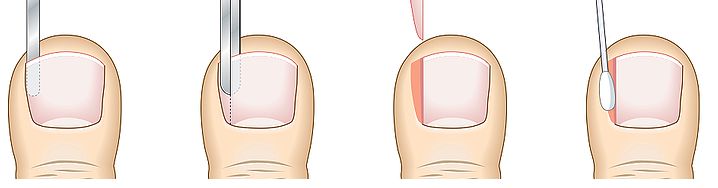
Our surgical procedures are performed in our Balgowlah clinic, under local anaesthetic, and typically take about 1 hour from start to finish. During this procedure, a chemical (Phenol) is applied to the nail root, which prevents any re-growth or recurrence. This is effective in over 95% of cases.
Once complete, you will walk out of the clinic with your toe dressed and instructions on how to care for your toe during the healing process, which is typically 3-4 weeks. During this time, we will ask you to refrain from impact activity (e.g. running and kicking balls) and swimming/getting the toe wet.
This depends on your individual insurance policy. If you have extras containing podiatry cover, it is likely a portion of the fee will be covered.
Posted by Balgowlah_admin in on November 23rd, 2022
Does your child regularly complain of pain in their legs or feet? Are they limping during or after sport?
Children’s legs and feet are not just smaller versions of our own. As they grow and develop, there are key differences which mean children can develop unique pains and injuries.
We know that when your child complains of pain this can be worrying. With 20 years’ experience in paediatric podiatry, we are perfectly placed to diagnose the cause of your child’s pain and provide you with answers. We’ll set aside the time to listen, examine, diagnose, and treat your child in a caring, professional, and friendly environment.
Even in the absence of pain, sometimes things just don’t look right – flat feet, knock knees, bow legs, bunions, and so on. The feet and legs of a growing child are constantly changing. We will educate you and your child on what is normal and what is not, and, if treatment is required, we will provide you with options to suit your child and family’s unique needs.
Active, growing feet should be fitted with the right shoes. We offer advice on casual shoes, school shoes, dance shoes, netball shoes, football boots, and other sports-specific shoes.
If your child is experiencing pain, contact us now for a thorough assessment, detailed answers, and treatment that works.
Posted by Balgowlah_admin in on November 23rd, 2022
We deliver high quality general podiatry services in a professional, caring, and friendly environment
After 20 years working with feet, we’ve seen it all. Some of the common conditions we see and treat on a regular basis include:
Toenail fungus (Onychomycosis) is more common than you may think, affecting about 10% of Australians. Whilst it is not dangerous and rarely causes pain, it is what it does to the appearance of the nail that brings most people to see us. White, yellow, or brown discolouration is common, and, in time, the infected nail will often become thick and brittle.
Toenail fungus can be stubborn and difficult to shake. With 20 years’ experience treating toenail fungus with almost every treatment available (i.e. topical treatments, laser, oral medication, and more) we know what works and what doesn’t. After examining your nails, we will give you honest advice on the best treatment available for your individual case.


Plantar warts (Verruca pedis) are lesions that occur on the bottom of the foot or around the toes and are caused by the Human Papilloma Virus (HPV). They are transmitted from one person to the next through direct contact – either from someone with the virus, or through socks, shoes, or surfaces. A simple wart is not a serious health concern, however they can be very uncomfortable, or even painful, when they present on the weight bearing areas of the feet. Warts can also grow and spread, so early treatment is recommended.
Treatments include medicated pastes and liquids, cryotherapy, and minor surgical procedures for those that are stubborn and persist.
Tinea pedis is a fungal infection of the skin that normally begins between the toes but can occur anywhere on the feet. It is often present in those with sweaty or damp feet, who spend a lot of time in confined footwear. Tinea can present in various forms but typically appears as red, flaky skin that can itch, sting, or burn. In most cases, treatment is straightforward and consists of addressing foot hygiene, footwear advice (shoes, socks, and the materials they are made from), and topical medications.


Calluses and corns are thick, hardened layers of skin caused by friction and pressure. Calluses are spread out over larger areas of skin, generally occur in the weight bearing areas of the feet and may or may not be painful. Corns are similar to calluses but are generally smaller with a hard central core that sits deeper into the healthy skin. Corns are often painful and can occur in the weight bearing areas of the feet as well as in between and on the tops of toes.
The pressure and friction that causes calluses and corns to develop can come from poor fitting footwear, bony prominences, walking and running patterns, and various skin conditions.
Immediate treatment of calluses and corns involves shaving back the thickened skin, and in the case of corns, removing the hard, central core with a scalpel. This treatment is typically quick and painless.
Longer term management involves addressing the causes and contributing factors. This means taking a good look at the structure and function of your feet to address any bony prominences or biomechanical issues. Footwear assessment and advice is also important.
It is recommended that patients with diabetes have their feet assessed every 12 months, or earlier in some cases. This is because people with diabetes have higher risk of developing foot problems due to possible changes in circulation and sensation to the feet.
A diabetes foot health assessment consists of the following:
Following your assessment, we will provide you with advice and treatment to ensure your feet are in the best possible condition and health.


 (02) 9948 2555